

Centrifuge inspection service
Reliable centrifuge performance matters in laboratories where sample separation, repeatability, and operator safety depend on stable rotational operation. Over time, routine use can affect mechanical balance, rotor condition, speed consistency, lid interlocks, and overall operating reliability, which is why a professional centrifuge inspection service is an important part of preventive maintenance.
This category brings together inspection services for a range of laboratory centrifuges used in research, quality control, healthcare, and industrial lab environments. It is intended for buyers and lab managers who need a structured way to review available service options by equipment type and manufacturer, while supporting safer operation and better maintenance planning.
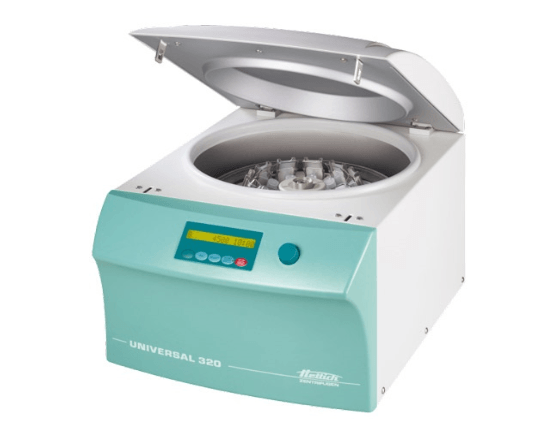
Why centrifuge inspection is important in laboratory operation
Centrifuges operate under high rotational force, so even small issues can become significant if they are not identified early. Inspection helps assess the condition of key functional areas such as rotation stability, safety mechanisms, visible wear, and general operating status before problems lead to downtime or unsafe use.
For many laboratories, inspection is not only about fault finding. It also supports maintenance scheduling, equipment lifecycle management, and documentation for internal quality systems. In facilities that manage multiple instruments, this service is often reviewed alongside other laboratory checks such as biosafety cabinet inspection service or autoclave sterilizer inspection service.
What a centrifuge inspection service typically focuses on
A proper inspection process usually reviews the equipment from both a safety and functional performance perspective. This can include visual condition checks, assessment of operating behavior, inspection of moving parts and closures, and confirmation that the unit runs as expected in normal laboratory use.
Depending on the centrifuge type, service scope may also consider rotor fit, chamber cleanliness condition, signs of vibration, unusual noise, and the general integrity of controls and protective features. The exact procedure can vary by model and manufacturer, but the goal remains the same: to identify wear, abnormal operation, or maintenance needs before they affect laboratory work.
Suitable for different centrifuge formats and lab workflows
This category is relevant to laboratories using compact microcentrifuges, spindown units, and multi-purpose centrifuges. Each format serves different workflows, so inspection needs may differ depending on sample volume, run frequency, and the level of mechanical stress experienced in daily operation.
For example, small benchtop units used for rapid sample preparation may require attention to repetitive start-stop cycles and lid operation, while larger multi-purpose systems may need closer review of balance behavior and operating consistency. Laboratories using related equipment for mixing and sample preparation may also want to explore centrifugal mixer inspection service where applicable.
Examples of inspection services available in this category
To help buyers identify suitable service coverage, this category includes inspection options associated with established laboratory equipment brands. Examples include IKA Centrifuge Inspection Service, HETTICH Centrifuge Inspection Service, Benchmark Centrifuge Inspection Service, and CRYSTE Multi-purpose Centrifuge Inspection Service.
Additional examples in the category include DaiHan Centrifuge Inspection Service, WITEG Centrifuge Inspection Service, Labtech Spindown Centrifuge Inspection Service, and Labstac Microcentrifuge Inspection Services. These listings help users navigate available support for different equipment families without turning the page into a model list only; the main purpose is to connect inspection needs with the right service path.
How to choose the right inspection service
When selecting a service, it is useful to start with the actual centrifuge type in use, the manufacturer, and how the equipment is operated in the lab. A microcentrifuge used intermittently may have different inspection priorities than a continuously used multi-purpose centrifuge in a high-throughput environment.
It is also practical to consider service records, current equipment condition, and whether the instrument is part of a broader maintenance plan. If your laboratory is reviewing several critical storage and process devices at the same time, related categories such as deep freezer checks can be relevant for coordinated service planning.
Benefits for maintenance teams, procurement, and quality control
For maintenance and engineering teams, inspection services provide a clearer basis for deciding whether equipment can remain in service, needs follow-up maintenance, or should be monitored more closely. For procurement teams, a dedicated category structure makes it easier to compare available options by brand and application rather than searching product by product.
For quality and laboratory managers, regular inspection supports more controlled operation and can contribute to internal compliance processes where equipment condition must be documented. In practical terms, this helps reduce unplanned interruptions and supports more predictable use of laboratory assets.
Working with manufacturer-specific service options
Many laboratories prefer to review inspection services in connection with the brand of centrifuge already installed on site. That is why manufacturer-related options in this category are useful for narrowing down service selection, especially for equipment from IKA, Hettich, Benchmark, CRYSTE, DaiHan, Labtech, WITEG, and Labstac.
Using a brand-focused route can make service matching more straightforward, especially when a lab standardizes around one or two equipment suppliers. At the same time, the broader category view is helpful for organizations managing mixed fleets across multiple departments or facilities.
Support safer operation and longer equipment usability
A centrifuge is a routine laboratory instrument, but it should never be treated as maintenance-free. Regular inspection helps detect issues early, supports safer day-to-day use, and gives laboratories a more structured basis for maintenance decisions across different centrifuge formats and brands.
If you are reviewing service options for benchtop, micro, spindown, or multi-purpose units, this category provides a focused starting point. By choosing the right inspection service for your equipment and usage pattern, it becomes easier to maintain operational reliability and reduce avoidable disruption in the lab.
-
-
-
-
-
-
-
-
-
-
-
-
-
-
-
-
-
-
-
-
-
-
-
-