


Coating / Plating Thickness Analyzer Xray
When plating quality directly affects conductivity, corrosion resistance, solderability, or cosmetic finish, non-destructive measurement becomes a critical part of process control. Coating / Plating Thickness Analyzer Xray systems are widely used for fast thickness verification and elemental analysis on plated parts, helping manufacturers check single-layer, multi-layer, and alloy coatings without cutting or damaging the sample.
On this page, you can explore X-ray analyzers suited to plated components in electronics, automotive parts, PCB production, and related industrial applications. These systems are especially useful when conventional contact-based measurement is not practical, or when both coating thickness and material composition need to be evaluated together.
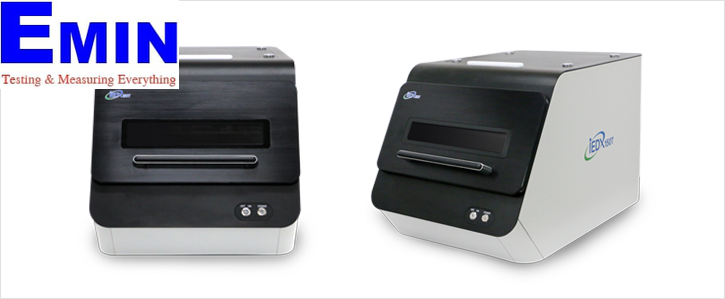
Where X-ray plating thickness analysis is most useful
X-ray plating thickness analyzers are commonly selected for applications where coatings are thin, layered, or applied to small features. In these situations, destructive cross-section inspection may be too slow for routine checks, while simpler gauges may not provide enough information about plated structure or elemental makeup.
Typical use cases include ENEPIG, Pd-Ni, Rh, and other plated finishes used on connectors, electronic parts, capacitors, PCB-related components, and precision metal parts. For quality teams, the value of this method is not only thickness measurement, but also better visibility into coating composition and consistency across production batches.
How these analyzers work in production environments
An X-ray plating thickness analyzer uses X-ray fluorescence principles to identify elements and estimate the thickness of plated layers based on the returned signal. In practical terms, this allows operators to inspect coatings on metal substrates and evaluate layered structures with minimal sample preparation.
Many systems in this category are designed with top-down beam direction, camera-assisted viewing, and controlled sample positioning for repeatable measurement. Features such as auto stage movement, adjustable collimation, zoom observation, and Z-axis positioning are especially relevant when testing small parts, localized plated areas, or multiple points on one workpiece.
Product range and representative models
This category includes instruments from INSIZE and ISP, covering different measurement needs from routine plating inspection to more advanced elemental analysis. Rather than treating every model the same, it is better to choose based on sample geometry, layer structure, required spot size, and whether compliance screening is also part of the workflow.
A representative example is the INSIZE XRF-FA350 Automatic Xrf Plating Thickness Instrument, intended for plating analysis across a broad elemental range and supporting automated XY movement for efficient measurement over larger sample areas. The ISP range includes models such as iEDX-150μT15, iEDX-150μT30, and iEDX-150μT50, which differ in focal spot configuration, as well as iEDX-150Tmp35, iEDX-150Tmp30, iEDX-150Tsp30, and iEDX-150Tsp10 for applications involving multi-layer analysis and, in some versions, environmental screening support.
Key selection factors before choosing a system
The first point to review is the type of samples you need to measure. Small connectors, PCB features, plated automotive parts, powders, liquids, and multilayer structures may each require different optical or detector configurations. Spot size, chamber size, camera magnification, and stage control all influence whether the instrument fits the real inspection task.
The second factor is the measurement objective. Some users only need coating thickness, while others also need alloy ratio evaluation or hazardous substance screening. If your workflow includes broader coating inspection beyond X-ray analysis, it may also be useful to review related tools such as a coating thickness meter for other substrate types or process stages.
Finally, consider throughput and repeatability. Automatic stage movement and stable focusing can make a major difference when the same product family is measured repeatedly, especially in incoming inspection, in-process verification, or final quality control.
What to look for in technical performance
For industrial buyers, detector type and resolution are important because they affect sensitivity and the ability to distinguish elements in plated layers. In this category, you will find instruments with SDD, FSDD, and proportional detector-based configurations, depending on the model. Different collimator and focal spot options also matter when measuring fine features or narrow plated zones.
Another practical consideration is whether the instrument supports single-layer and multi-layer thickness analysis. Several ISP analyzers in this range are positioned for layered plating evaluation up to multiple layers, which is valuable in electronics and functional surface treatment applications. Systems with camera magnification and Z-stage control are also easier to align when measurement points are small or visually complex.
Related testing needs around coating quality
Thickness is only one part of coating verification. In many industrial settings, users also need to check whether the finish resists mechanical wear, bonds properly to the substrate, or remains free from pinholes and discontinuities. That is why X-ray plating analysis is often part of a broader inspection workflow rather than a standalone step.
Depending on the coating system and quality standard, related methods may include coating hardness testing, adhesion testing, or inspection with a holiday detector when pore or discontinuity detection is relevant. Using the right mix of methods helps create a more complete picture of coating performance in production and maintenance environments.
Who typically buys this category
These analyzers are commonly evaluated by quality engineers, lab managers, plating lines, electronics manufacturers, and technical procurement teams responsible for incoming inspection or process validation. They are especially relevant where plated thickness must be controlled closely and where traceability, repeatability, and non-destructive testing are important.
Because product requirements vary by coating system and part geometry, the best choice usually depends on the actual inspection scenario rather than brand alone. A compact routine analyzer may be enough for standard plated parts, while more advanced users may need auto stage capability, small focal spot measurement, broader elemental coverage, or combined screening functions.
Choosing the right X-ray analyzer for your application
If your work involves plated electronic components, connectors, precision metal parts, or multi-layer surface treatment, this category provides a focused range of instruments built for that task. The main goal is to match the analyzer to your sample type, layer structure, measurement area, and reporting needs instead of comparing models by specification lists alone.
By reviewing the available INSIZE and ISP models in context, buyers can narrow down the right solution for routine thickness control, detailed plating analysis, or more advanced compliance-related screening. A suitable X-ray coating and plating thickness analyzer can improve inspection efficiency, reduce destructive testing, and support more consistent quality decisions across the production process.
-
-
-
-
-
-
-
-
-
-
-
-
-
-
-
-
-
-
-
-
-
-
-
-